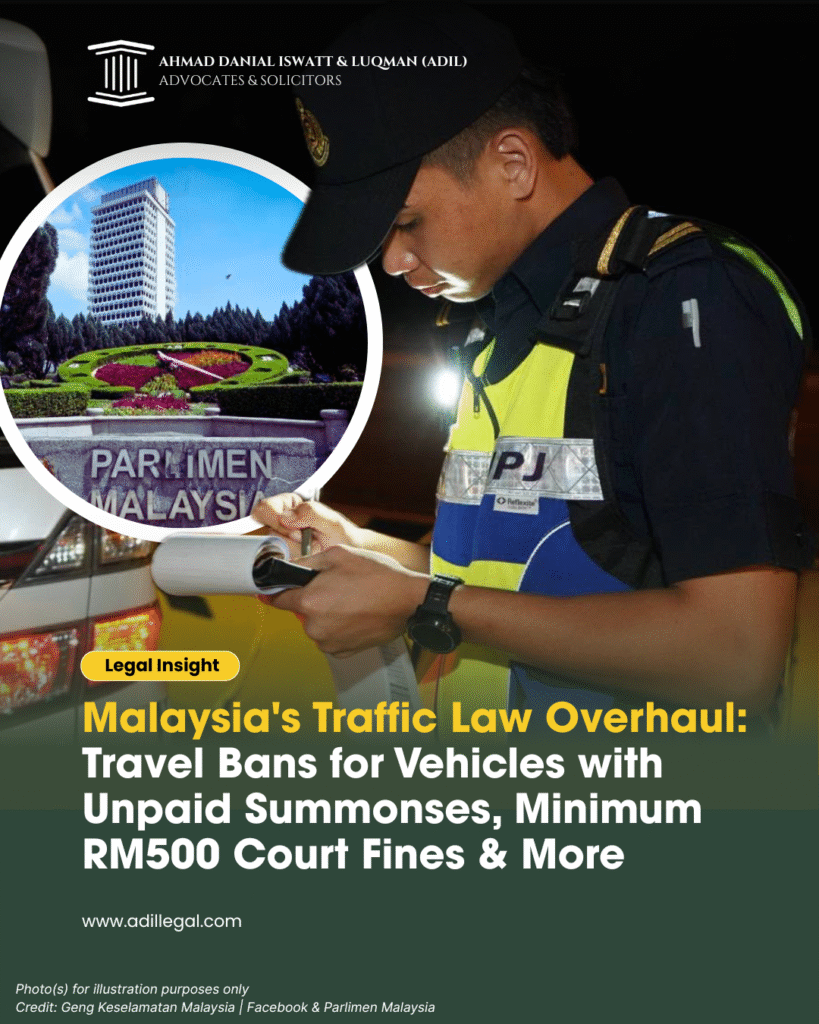
Malaysia's Traffic Law Overhaul: Travel Bans for Vehicles with Unpaid Summonses, Minimum RM500 Court Fines & More
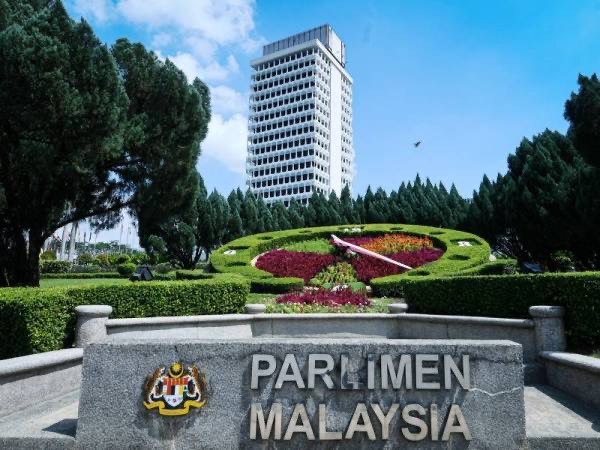
The Federal Government’s significant overhaul of national road traffic laws has cleared its first major legislative hurdle. Seeking to address long-standing issues affecting road users in the country, the Dewan Rakyat has officially passed the Road Transport (Amendment) Bill 2026, paving the way for wide-ranging updates to the Road Transport Act 1987.
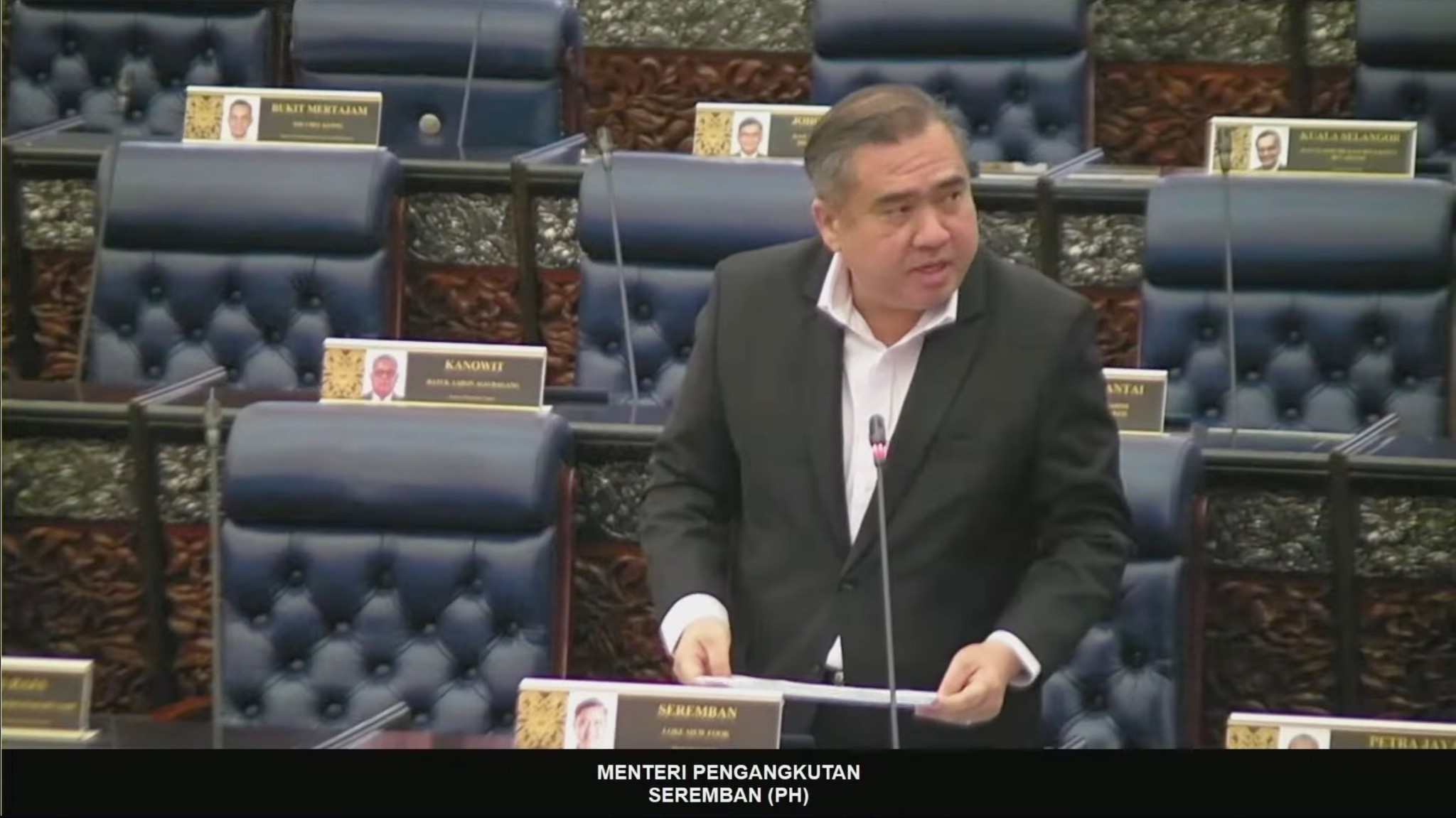
Transport Minister Anthony Loke Siew Fook originally tabled the Bill for its first reading on 22 June 2026, introducing 41 clauses to comprehensively strengthen the regulatory and enforcement powers of the Act. Following its second reading and an intensive two-day debate involving 43 government and opposition Members of Parliament (MPs), the Bill was passed by a voice vote on 24 June 2026.
So, what does the Bill entail, and what changes to current road traffic laws can Malaysians expect to see should the amendments be passed? Well, fasten your seatbelts as we navigate the twists, turns, and fine print of Malaysia’s biggest traffic law overhaul in years.
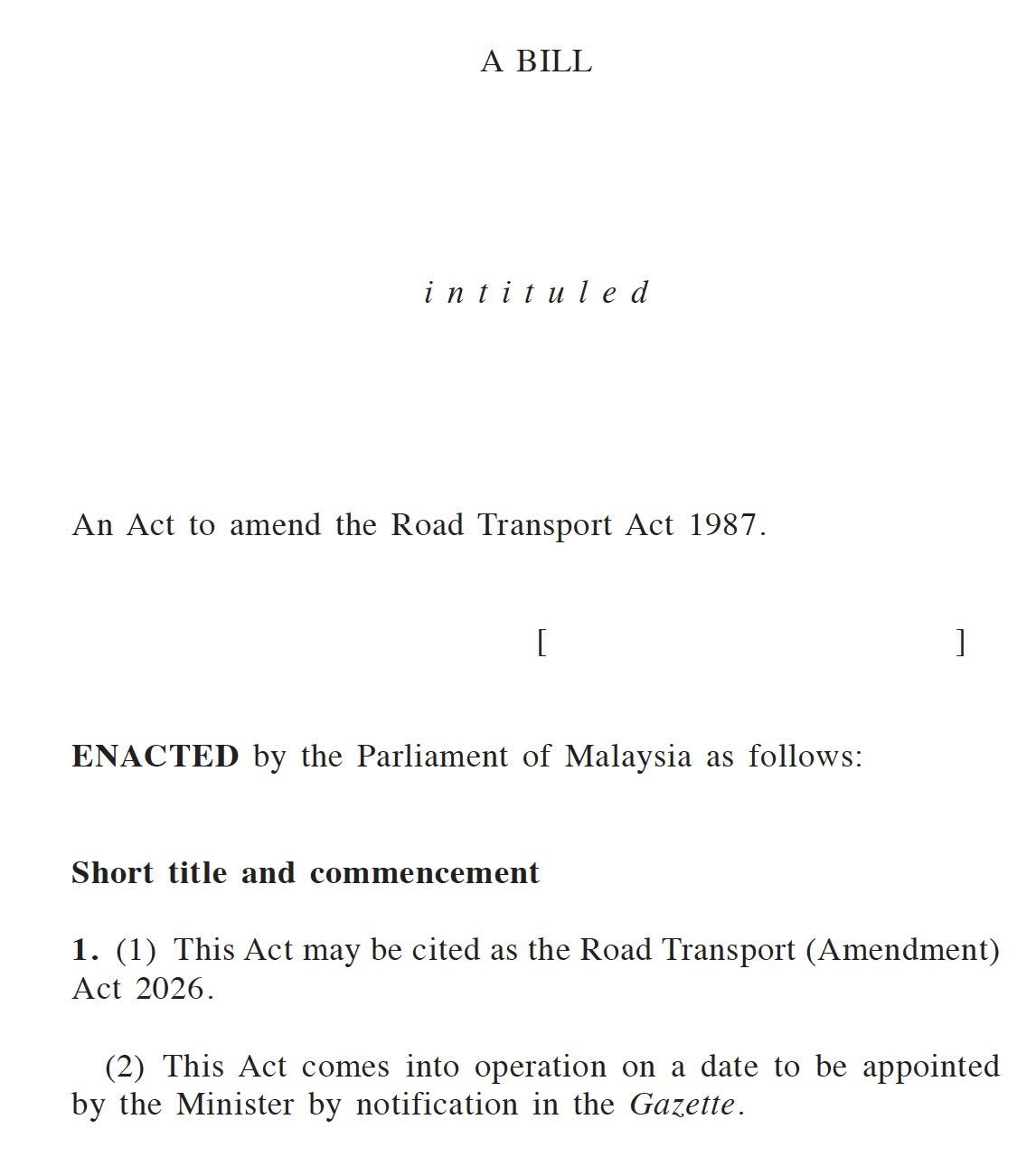
Road Transport (Amendment) Bill 2026
According to the text of the Bill published on the official Parliament portal, the proposed legislation comprises 41 clauses and a concluding 42nd explanatory provision that collectively seek to introduce wide-ranging changes to traffic enforcement, digital licensing, cross-border controls, and protections for enforcement officers.
Standard Fine Hikes and Compound Updates
One of the more prominent changes proposed in the Bill is a sweeping increase in statutory minimum court fines from the current limit of RM300 for several common violations to RM500. This updated penalty framework will apply to:
Section 14: Failing to properly display a vehicle registration number
Section 15: Operating a vehicle without a valid motor vehicle licence or road tax
Section 26: Driving without a valid driving licence, which will also carry an equal RM500 fine for anyone employing or allowing an unlicensed person to drive
Section 40: Exceeding the prescribed speed limit
Section 59: Violating requirements relating to the construction, equipment, and use of vehicles
Section 66A: Operating a vehicle without a valid inspection certificate
Section 102: Failing to physically surrender a cancelled insurance certificate
Sections 76A and 79: Disregarding traffic instructions and signals, including making illegal left turns
Besides that, Clause 37 seeks to amend Section 120 to increase the maximum out-of-court compound offer ceiling from RM300 to RM500. This change is intended to give the Ministry of Transport (MOT) and enforcement bodies the statutory room to adjust the tiered compound rates offered on summons tickets.
Meanwhile, the general court fines under Section 119 for unstated punishments will also be raised to a mandatory range of RM1,000 to RM2,000 for first offences, and RM2,000 to RM10,000 for repeat convictions.
Heavy Criminal Penalties and Street Racing
Beyond standard fines and compounds, the Bill seeks a significantly harsher stance on high-risk traffic violations and documentation fraud:
Driving While Suspended (Clause 13)
Individuals who drive while their driving licence is suspended or disqualified under Section 32 will face increased punishments of up to three years’ imprisonment or a mandatory fine of between RM3,000 and RM10,000. Currently, the maximum penalty is a one-year jail term or a fine of up to RM5,000.
Illegal Street Racing and Speed Testing (Clause 15)
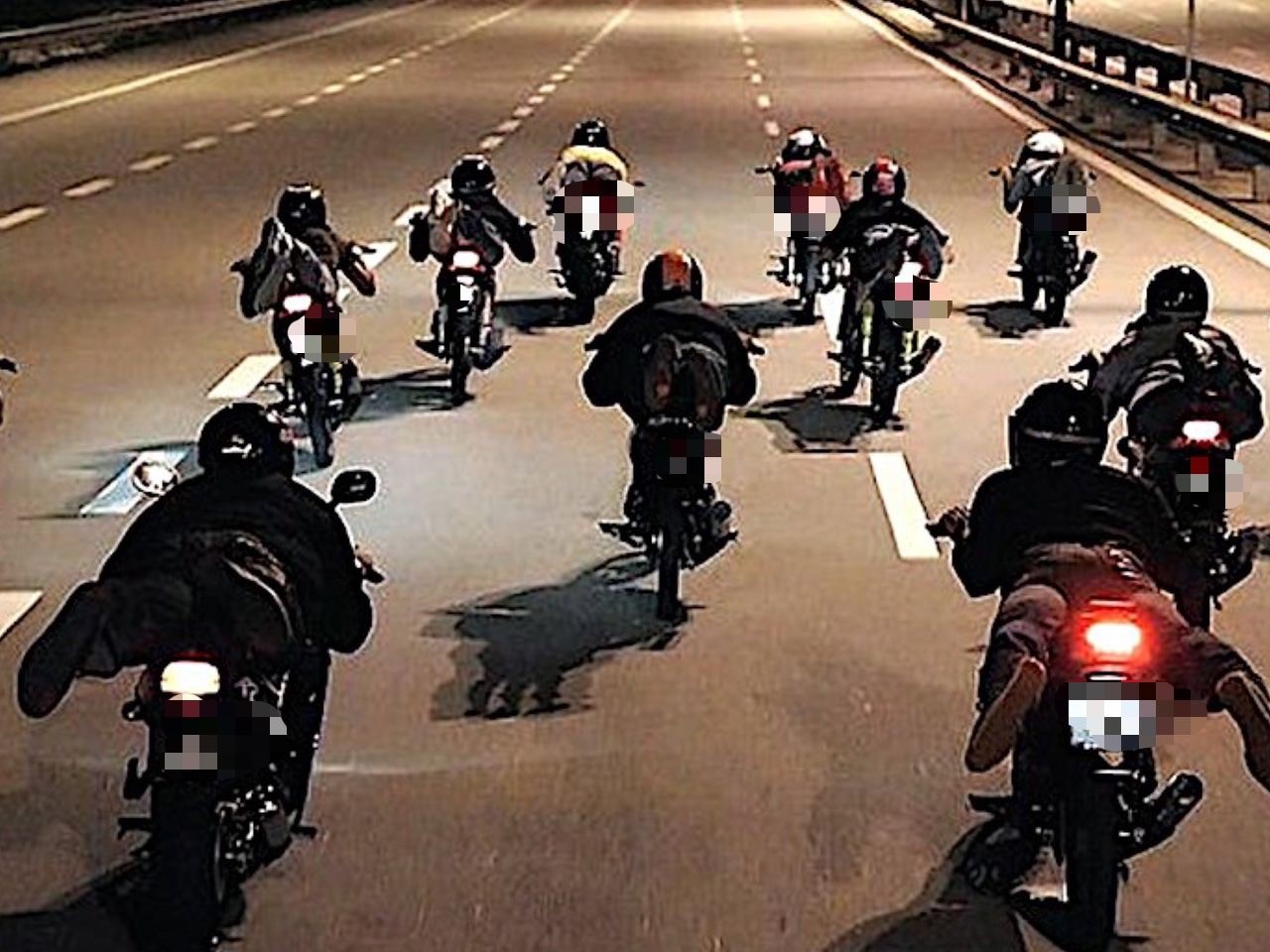
The Bill proposes to introduce a new Section 42A, which will criminalise racing or speed-testing on public roads. Engaging in a street race involving two or more vehicles, or participating in an individual speed trial, will be punishable by a fine of RM2,000 to RM10,000, up to two years’ jail, or both for a first conviction.
For a subsequent conviction, a fine between RM5,000 and RM20,000, a jail term of up to five years, or both will apply. Under Clause 29, registered vehicle owners or employers will also face liability if their employees commit a racing offence during the course of their employment.
False Statements and Forgery (Clause 28)
Standard documentation fraud under Section 108 will face a heavier fine of RM10,000 to RM50,000 and up to 10 years’ jail, instead of the current maximum fine of RM5,000 and one year’s jail.
Meanwhile, commercial vehicle document forgery will carry a maximum fine of RM200,000 alongside a one-to-ten-year prison term.
Micromobility Enforcement and Disposal
Clause 18 explicitly seeks to extend the strict street racing and speed trial laws of Section 42A to users of micromobility vehicles, such as e-scooters or modified bicycles, capping their maximum penalty at RM1,000.
The Bill also proposes to establish strict handling and disposal procedures under Clause 31. If a micromobility vehicle is detained, authorities must provide written notice to the owner or user. If it remains unclaimed after one month, police or transport officers can apply to a Magistrate for an immediate disposal order, with any revenue forfeited to the Federal Government.
Transition to Digital Frameworks
To modernise governance, the Bill proposes to legislate digital frameworks:
Digital Licences (Clause 2): Will add the phrase “in any form” to the statutory definitions of vehicle, driving, and vocational licences, legally cementing digital credentials like the MyJPJ application
Electric Vehicle Registration (Clause 5): Will mandate that electric vehicles (EVs) provide an unaltered electric motor serial number alongside a chassis number to clear registration under Section 10
Electronic Summonses (Clause 33): Will amend Section 118 to allow authorities to serve statutory notices or summonses as an electronic message via a designated data system, legally deeming it “served” the moment it enters the recipient’s system
Online Accident Reporting (Clause 16): Will amend Section 52 to allow traffic accident reports to be submitted via alternative methods prescribed by the Minister, opening the door for online submissions without the need to visit a police station
“Declared Areas” and Inter-Agency Enforcement
Furthermore, the Bill seeks to introduce a powerful “Declared Areas” framework under Clause 8. Through this provision, the Transport Minister can declare specific registration areas via the Gazette, and applicants must declare exactly where their vehicle operates. Evading area-based road tax fees or failing to report area updates will trigger fines of RM1,000 to RM2,000, or a fine of up to five times the tax deficit alongside up to 5 years’ jail.
Meanwhile, Clause 9 will allow the Director of the aforementioned registration areas to refuse a road tax if a vehicle’s identifiers are altered or if the applicant has outstanding matters under the Land Public Transport Act 2010 or the Commercial Vehicles Licensing Board Act 1987. Additionally, Clause 35 aims to provide an important safeguard, clarifying that while outstanding issues can freeze a specific vehicle’s transactions, it will not affect or block other separate vehicles registered under the same owner’s name.
Strict Cross-Border Travel Bans
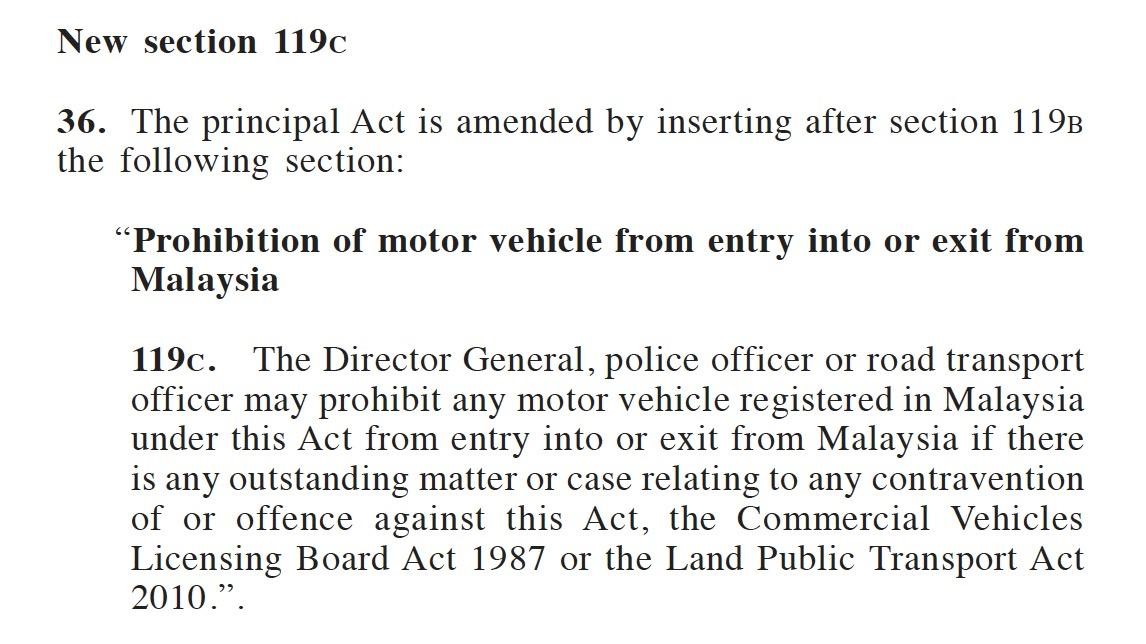
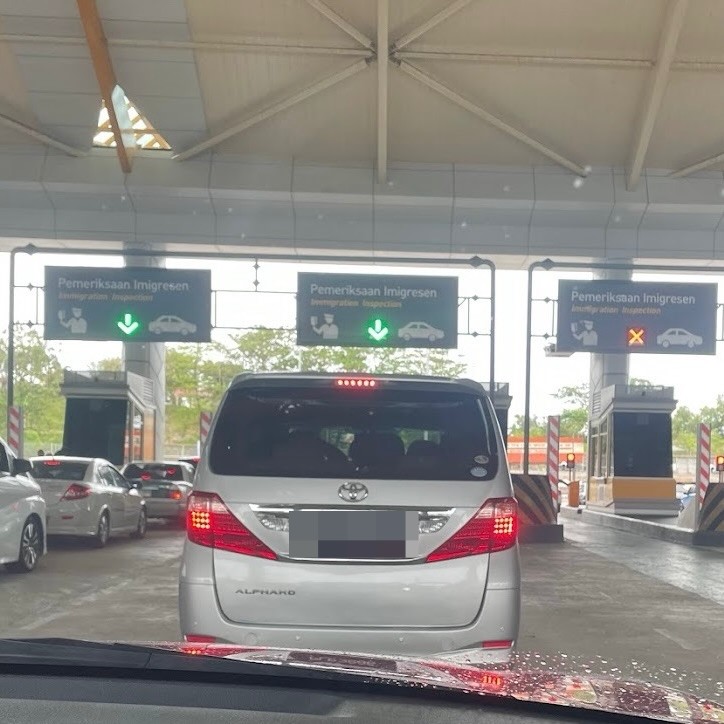
Besides that, Clause 36 will introduce a strict cross-border travel ban under a new Section 119C. This will grant the JPJ Director-General, police, and transport officers the explicit power to completely prohibit any Malaysian-registered vehicle from entering or exiting the country if it has outstanding fines or unresolved matters across any of the three major transport Acts (Road Transport Act 1987, Land Public Transport Act 2010, or Commercial Vehicles Licensing Board Act 1987).
As for foreign-registered motor vehicles, Clause 23 will bar them from entering or exiting without a valid entry permit, while Clause 22 hands direct power to the Transport Minister to prescribe foreign vehicle entry permit fees.
Operational Traffic Management
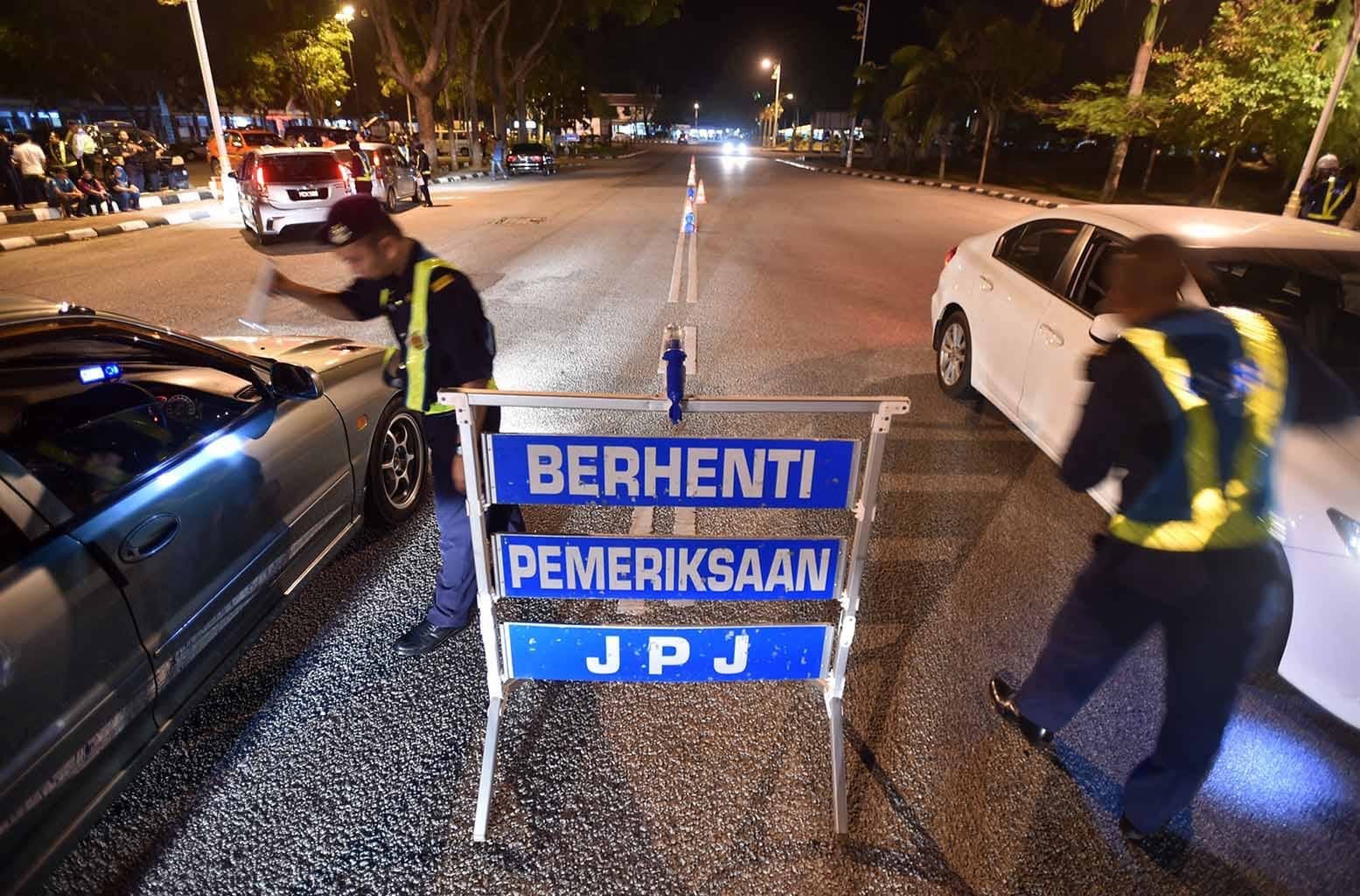
The Bill aims to expand the physical operational powers of field officers. Clause 3 grants police and road transport officers sweeping powers to actively guide, control, and alter the route of traffic to carry out escort duties. Under Clause 24, public authorities can tow and remove vehicles blocking public pathways to alternative locations at the owner’s risk, detaining them until retrieval fees are paid, while the fine for ignoring parking or towing orders will be raised to RM500. For logistics enforcement, Clause 32 proposes to stretch the mandatory inspection window for official vehicle weighbridge scales from every six months to every 12 months.
Protection of Enforcement Officers
Finally, to safeguard field personnel, Clause 30 introduces a new Section 110B, seeking to establish a severe new offence for obstructing, interfering with, assaulting, threatening, provoking, or using abusive language against a police or road transport officer executing their duties.
This section also explicitly seeks to criminalise tailing enforcement vehicles or disseminating operational information regarding active officer checks. Classified as a fully arrestable offence, violations under Section 110B will carry a heavy fine of RM10,000 to RM50,000 and mandatory imprisonment of between one and five years, alongside the immediate seizure of any vehicle or asset linked to the infraction. Do note that this proposed Section 110B of the Road Transport Act is a new, different provision than Section 186 of the Penal Code for obstructing public servant in discharge of his public functions.
The Bill concludes by noting that these structural legal updates will involve no additional financial expenditure from the Government.
What happens next?
Having successfully cleared its second and third readings in the Dewan Rakyat following the intensive debates, the Road Transport (Amendment) Bill 2026 will now move to the Dewan Negara for an identical sequence of readings and debates.
Once approved by the upper house, the Bill will be sent to the Yang di-Pertuan Agong for Royal Assent before being officially published in the Government Gazette. The Act will formally come into force on a date subsequently announced by the Minister in the Gazette, with the exception of the tiered compound ceiling, which is scheduled for 2029.
For more insights into the Malaysian legal system such as this, do make sure to follow us on Facebook and Instagram or visit our official website. You can also read our articles on the popular Malaysian news aggregator app Newswav here.