
What is Sukuk? The Syariah-Compliant Financing Powering a RM300 Million Clean Energy Expansion in Malaysia & Beyond
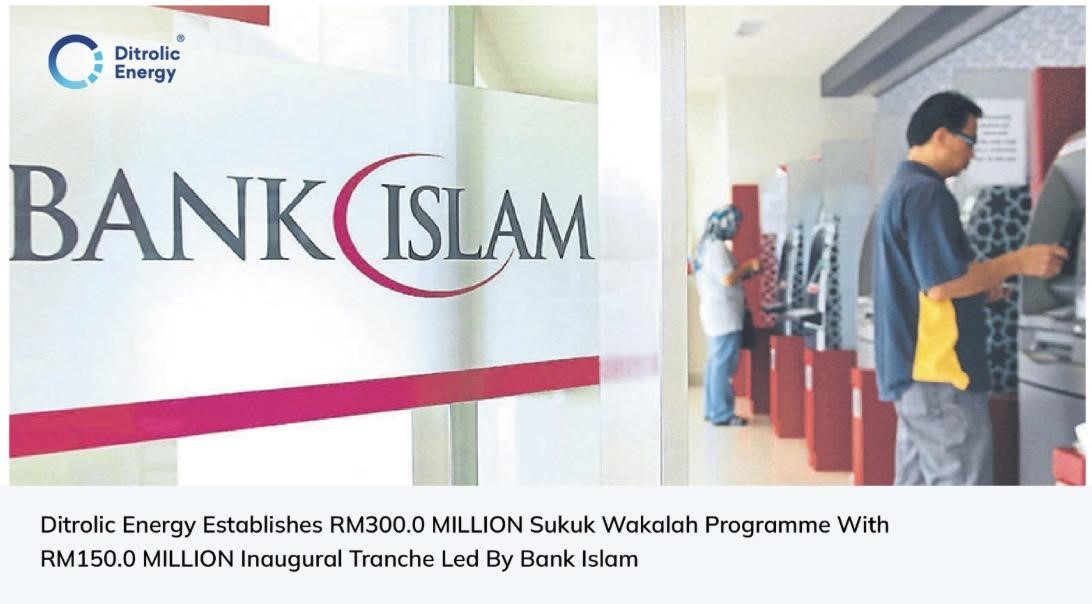
If you’ve ever kept tabs on the business world, you’ve likely come across the word Sukuk at least once. One notable recent example is Bank Islam Malaysia Berhad’s successful issuance of the first RM150 million tranche of Ditrolic Energy Holdings Sdn Bhd’s Sukuk Wakalah programme.
It’s part of a Sukuk Wakalah programme of up to RM300 million intended to strengthen Ditrolic Energy’s working capital flexibility and to support the company’s renewable energy pipeline and expansion across Southeast Asia. So what exactly are Sukuk and Sukuk Wakalah, and why were they chosen by Ditrolic Energy to power its push for clean energy expansion?
Read on as we delve in-depth into what Sukuk is, how a Sukuk Wakalah structure works, and what corporate and commercial legal work is involved in project financing transactions of this nature.
Understanding Sukuk
Commonly described as Islamic investment certificates, Sukuk allow an issuer to raise financing from investors through a structure that complies with syariah principles.
Though often compared with bonds, they are not exactly the same. While a conventional bond represents a debt obligation with interest payments, Sukuk must be structured using recognised Islamic finance concepts and supported by underlying syariah-compliant assets, investments, business activities, or contractual arrangements.

In Malaysia, Sukuk may be structured using various syariah principles, including:
Wakalah
Murabahah
Ijarah
- Musharakah; or
- Other approved structures.
In a Sukuk Wakalah structure, investors appoint a wakeel (agent) to manage the relevant investment activities or Sukuk assets on their behalf. Hence, the legal documents must reflect both the commercial financing arrangement and the approved syariah structure.
Sukuk Wakalah Explained
Wakalah is an Islamic agency arrangement where the issuer acts as a wakeel (agent) appointed by Sukuk holders to invest issuance proceeds into a defined portfolio of syariah-compliant assets or activities.
Returns stem from income or profits generated by the portfolio rather than predetermined interest. While the wakeel does not guarantee returns, many structures include a purchase undertaking allowing Sukuk holders to exit at a fixed price upon maturity or a dissolution event.

For Ditrolic Energy, this structure requires Bank Islam Malaysia Berhad (as mandated principal adviser) and the programme documentation to clearly define the investment mandate, the wakeel’s role, permitted activities, expected returns, payment mechanics, and Sukuk holders’ rights upon default.
Why Companies Issue Sukuk
Companies issue Sukuk to raise capital for working capital, refinancing, expansion, project development, asset acquisition, infrastructure, renewable energy, or general corporate purposes.
For Ditrolic Energy, an integrated clean energy firm offering solar, green electricity, and energy storage services, the issuance directly funds its renewable energy pipeline.
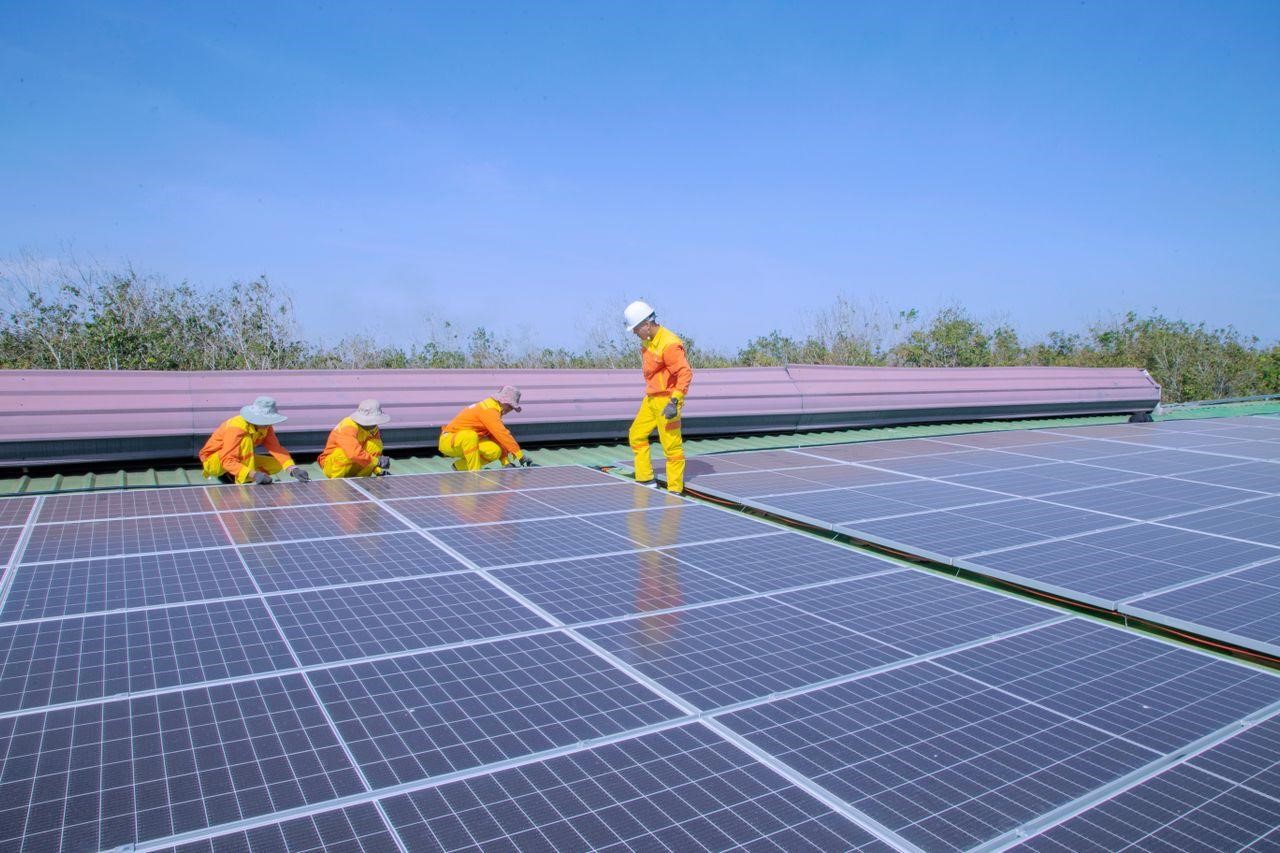
This is commercially significant as renewable energy projects are capital-intensive, requiring early funding for procurement, engineering, construction, grid connection, permits, and mobilisation before generating full revenue. Sukuk provides medium-to-long-term financing while attracting investors seeking syariah-compliant exposure.
More Than a Financing Exercise
Although Sukuk is a fundraising instrument, it is not merely a banking or treasury transaction. It is a multi-disciplinary corporate, commercial, syariah, regulatory, and capital markets exercise.
An issuance involves the issuer, principal adviser, lead arranger, facility agent, trustee, syariah adviser, rating agency, legal advisers, auditors, tax advisers, and investors. Each party ensures the Sukuk is properly structured, documented, disclosed, issued, and administered throughout its tenure.

Legal work begins well before launch. The issuer must review its corporate authority, board approvals, constitutional documents, existing financing restrictions, security arrangements, project contracts, regulatory approvals, disclosure obligations, and syariah requirements. Consequently, Sukuk transactions require careful coordination across the issuer’s finance, legal, compliance, operations, and project teams.
Why Legal Due Diligence Matters in Sukuk Issuances
Before establishing a Sukuk programme, legal due diligence is conducted on the issuer and its underlying projects or assets.
This may include reviewing the issuer’s:
- Corporate documents
- Shareholding structure
- Board approvals
- Existing borrowings
- Material contracts
- Licences
- Permits
- Litigation position
- Land or project documents
- Receivables
- Insurance
- Tax matters
- Regulatory compliance
For renewable energy companies like Ditrolic Energy, due diligence may also span power purchase agreements, solar power purchase arrangements, engineering, procurement and construction (EPC) contracts, operation and maintenance (O&M) contracts, land leases/licences, grid connections, environmental requirements, and authority approvals.
This process confirms the issuer’s legal capacity, ensures transaction document enforceability, and identifies material risks affecting repayment, project performance, or investor protection.
Legal Structuring of Sukuk Wakalah
A Sukuk Wakalah programme requires transaction documents to clearly define the wakalah arrangement, the wakeel’s role, investment activities, payment mechanics, expected returns, purchase or relevant undertakings, dissolution events, and Sukuk holders’ rights.
Precise legal drafting is critical to align commercial terms with the syariah structure. Misalignment creates risks in enforcement, disclosure, taxation, accounting treatment, or syariah compliance.

Key documentation typically includes a trust deed, programme agreement, securities lodgement forms, subscription agreement, agency agreements, syariah documents, security documents, legal opinions, and corporate authorisations. Each of these serves a distinct legal function while remaining internally consistent.
The Regulatory Framework in Malaysia
Sukuk issuances in Malaysia are governed by a layered regulatory framework comprising:
- Capital Markets and Services Act 2007
- Islamic Financial Services Act 2013
- Securities Commission Malaysia’s (SC) Guidelines on Unlisted Capital Market Products under the Lodge and Launch Framework
- Rulings from the Syariah Advisory Councils of Bank Negara Malaysia (BNM) and the SC
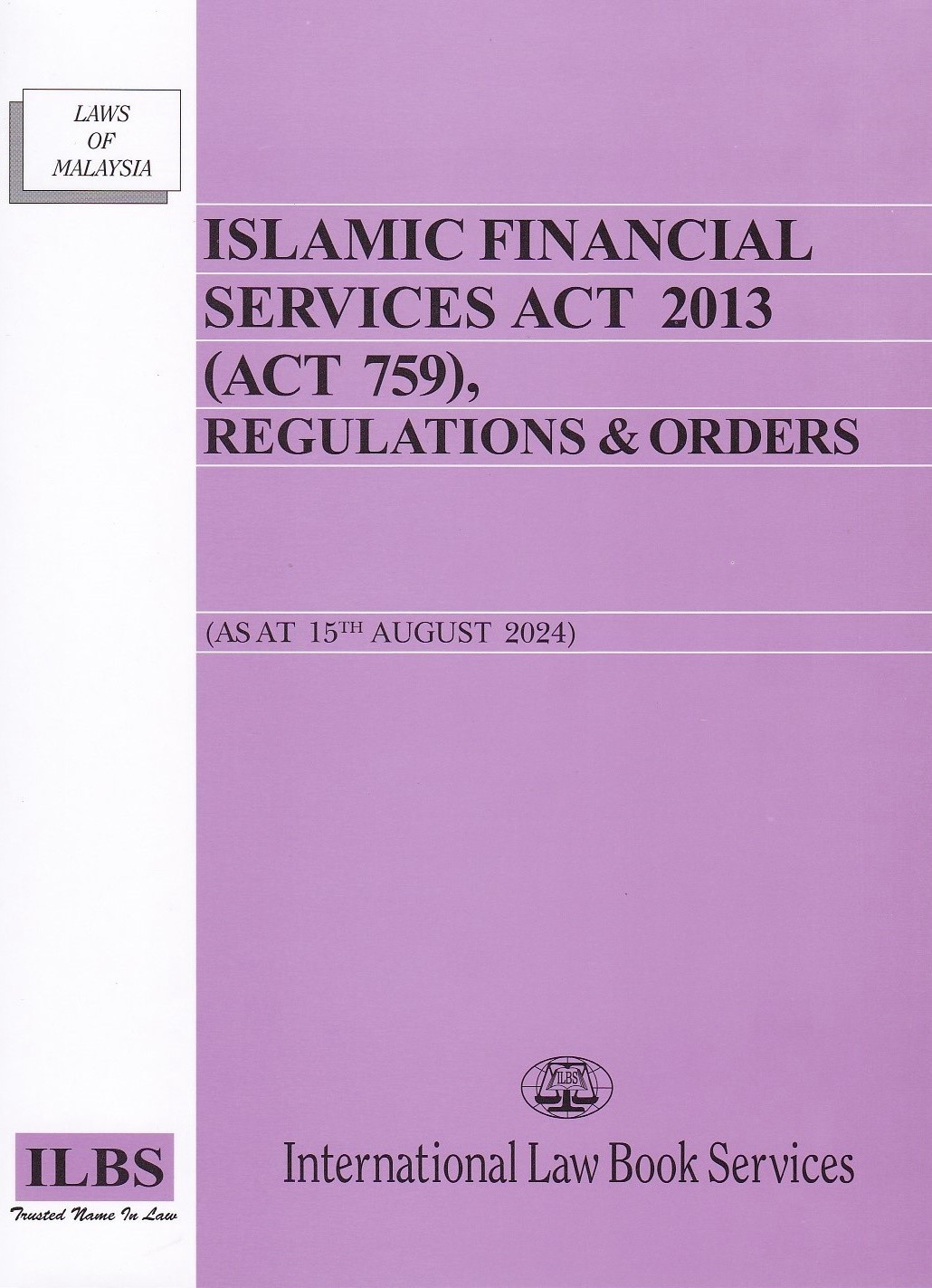
The SC’s Lodge and Launch Framework governs the registration and issuance process. Where an Islamic bank like Bank Islam Malaysia Berhad acts as principal adviser, it must also comply with the Islamic Financial Services Act 2013 and BNM’s Syariah Governance Framework.
Meanwhile, Syariah Advisory Council rulings bind Islamic financial institutions and courts during legal proceedings. Consequently, syariah compliance is a binding legal and regulatory obligation that directly impacts transaction enforceability, rather than a mere commercial consideration.
Renewable Energy Financing Requires Sound Project Documentation
When Sukuk proceeds fund a renewable energy business or project pipeline, financing strength depends directly on underlying project documentation.
Renewable energy projects rely on long-term contracts, regulatory approvals, technical performance, equipment supply, grid access, land rights, and execution timelines. Defective or inconsistent project documents create operational and legal risks that can compromise an issuer’s ability to meet its Sukuk obligations.

For example, if project receivables support repayment, the underlying contracts must permit assignment, charging, or inclusion in the financing structure. Similarly, material land rights, permits, and customer contracts must be verified before completing the transaction.
Ultimately, project financing requires more than raising capital, as it demands establishing a sound legal foundation for the underlying project.
Security, Covenants, and Ongoing Obligations
Sukuk documents typically contain:
- Representations
- Undertakings
- Financial covenants
- Information obligations
- Permitted use of proceeds
- Restrictions on further indebtedness
- Restrictions on disposals
- Change-of-control provisions
- Dissolution events or events of default

Issuers must thoroughly understand these obligations prior to issuance. A covenant breach, disclosure failure, unauthorised use of proceeds, or material adverse event carries severe legal and commercial consequences, including early Sukuk dissolution.
For investors and trustees, these provisions serve as vital legal protections and early warning mechanisms if the issuer’s financial or operational standing changes. Consequently, issuing companies must maintain internal capacity to monitor and comply with all ongoing obligations throughout the Sukuk’s tenure.
The Legal Work Involved in Sukuk Transactions
Corporate and commercial lawyers may be engaged in various aspects of Sukuk and financing transactions, including:
1. Reviewing the issuer’s corporate authority, constitutional documents, and board approvals;
2. Conducting legal due diligence on the issuer, its subsidiaries, and project documents;
3. Reviewing the Sukuk structure and advising on transaction documents;
4. Advising on syariah-related contractual arrangements in coordination with syariah advisers;
5. Drafting or reviewing programme agreements, trust deeds, agency documents, purchase undertakings, and security documents;
6. Advising on covenants, dissolution events, and enforcement rights under the trust deed and programme documents;
7. Reviewing existing financing documents for restrictions, negative pledges, or consent requirements;
8. Advising on security creation, assignment, and perfection requirements;
9. Reviewing project contracts, power purchase agreements, licences, permits, leases, and receivables;
10. Coordinating with principal advisers, facility agents, trustees, tax advisers, and auditors;
11. Advising on disclosure documents, announcements, and investor materials; and
12. Ensuring that the financing documents are aligned with the issuer’s commercial and operational requirements.
This shows that Sukuk work sits at the intersection of Islamic finance, corporate law, commercial contracts, project finance, regulatory compliance, and capital markets practice.

Why Sukuk Matters
Sukuk enables companies to raise syariah-compliant capital while offering investors structured opportunities within Malaysia’s capital market.
While seemingly technical, its practical impact is immense. Sukuk helps finance infrastructure, renewable energy, property, utilities, transport, healthcare, and other capital-intensive sectors underpinning economic growth.
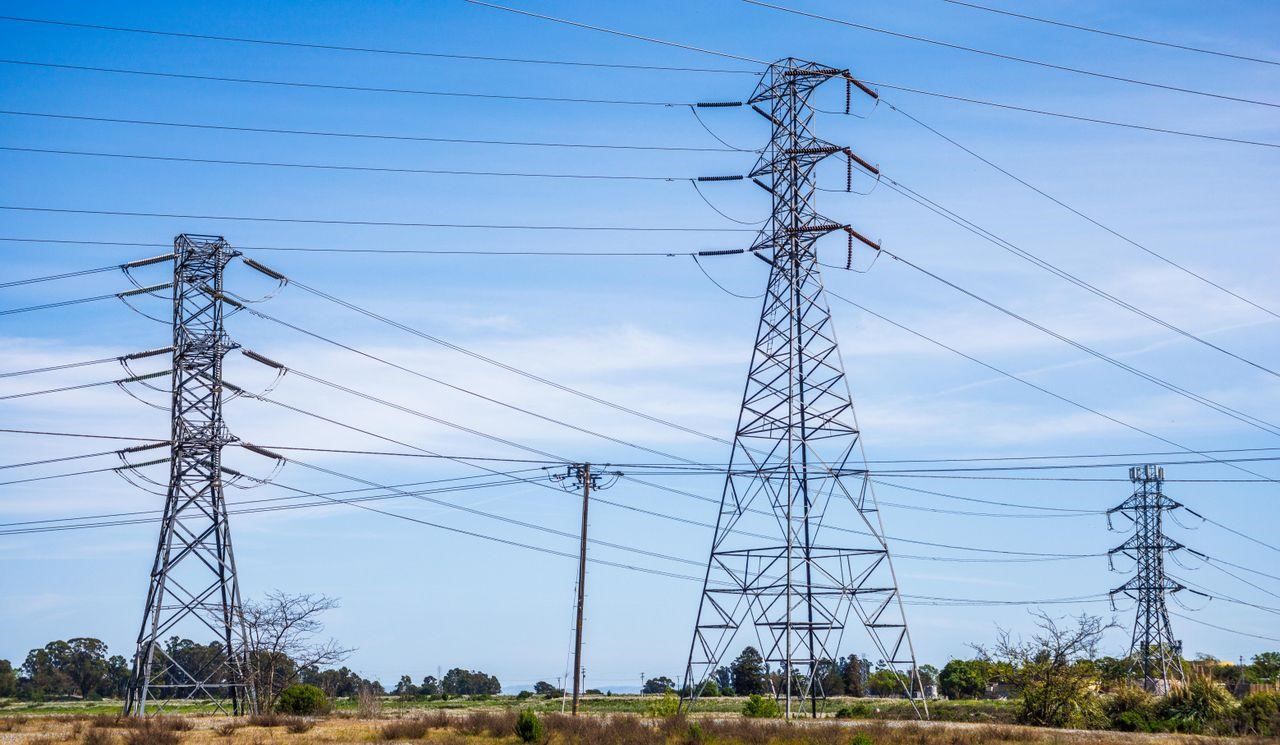
In renewable energy, Sukuk funds solar, clean energy, and energy transition projects by driving corporate expansion, investor returns, Malaysia’s sustainable finance agenda, and national energy transition targets.
However, syariah compliance does not make Sukuk risk-free. An issuance’s ultimate strength depends on the issuer’s financial health, project viability, legal documentation, security structure, covenant compliance, and market conditions.
Aligning Financial Ambition with Legal Readiness
The Bank Islam Malaysia Berhad and Ditrolic Energy Holdings Sukuk Wakalah issuance demonstrates how Islamic finance powers Malaysia’s renewable energy and sustainable finance sectors. It highlights that Sukuk is not a simple financing product, but a structured legal and commercial arrangement requiring multi-disciplinary expertise.
A Sukuk transaction extends far beyond raising capital. It demands syariah structuring, corporate approvals, legal due diligence, project documentation, security arrangements, regulatory compliance, covenant monitoring, and ongoing post-issuance obligations.
For Malaysian companies, the core lesson is that financing readiness requires legal readiness. Before issuing Sukuk or entering structured financing, companies must verify that their corporate records, project contracts, regulatory approvals, security structures, and internal compliance systems are fully in order.
In Sukuk and project financing, capital creates the opportunity; legal certainty protects the transaction.
For more insights into the Malaysian legal system such as this, do make sure to follow us on Facebook and Instagram or visit our official website. You can also read our articles on the popular Malaysian news aggregator app Newswav here.