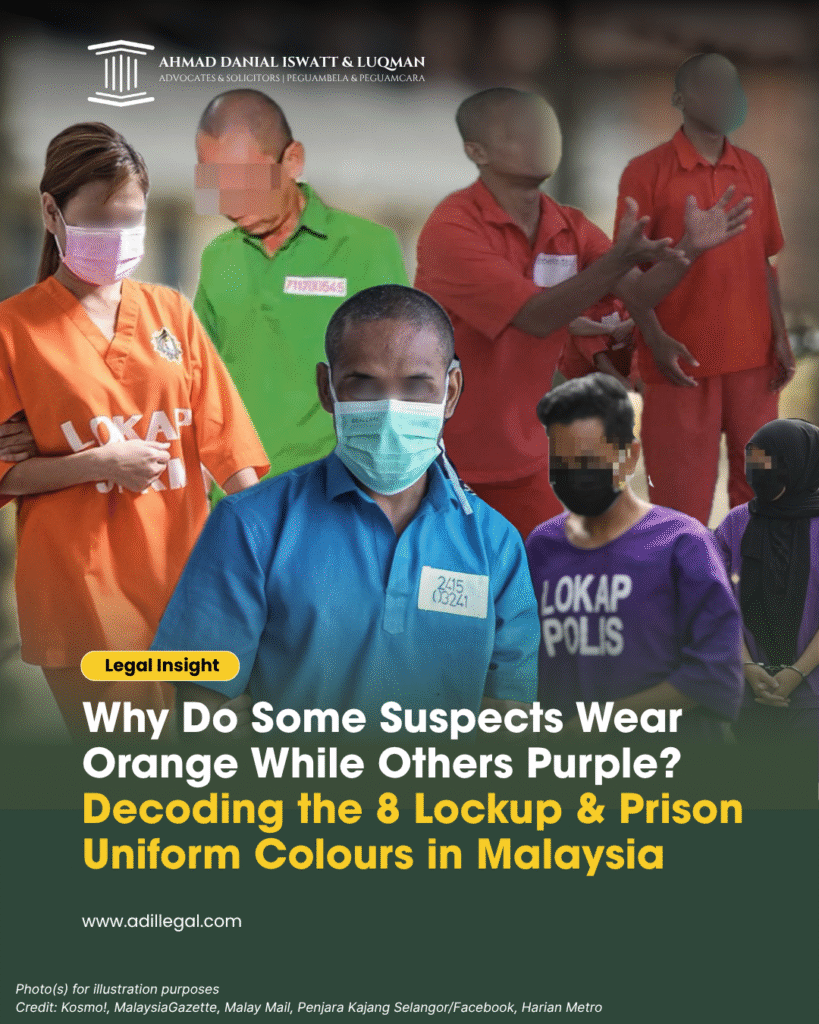
Why Do Some Suspects Wear Orange While Others Purple? Decoding the 8 Lockup & Prison Uniform Colours in Malaysia
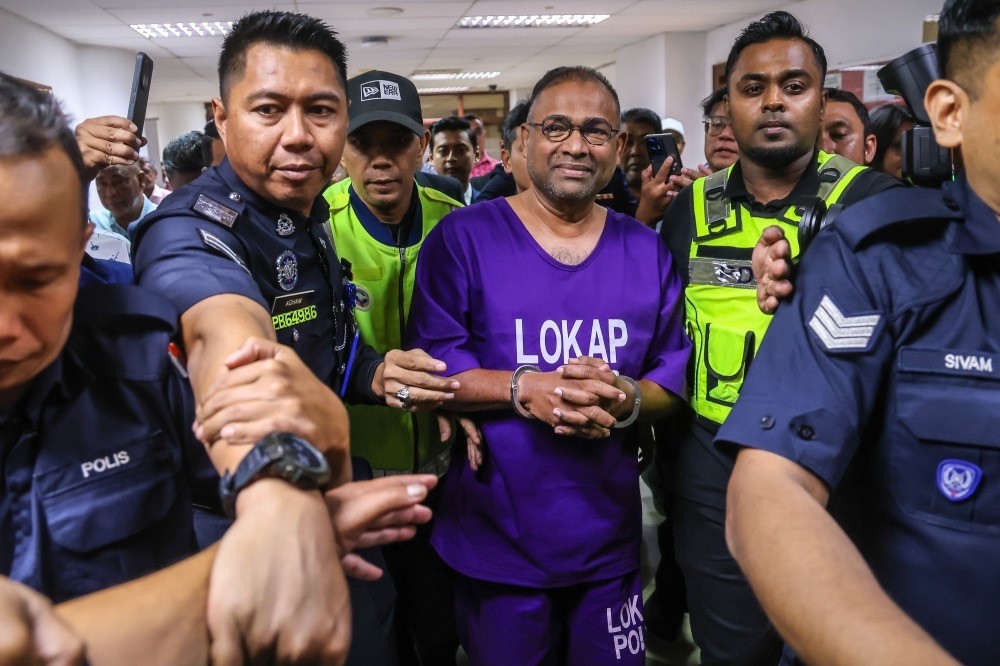
The colours of detention uniforms made headlines in Malaysia recently when former Lembaga Tabung Haji (TH) chairman Datuk Seri Abdul Azeez Abdul Rahim was brought to the Kuala Lumpur Sessions Court in handcuffs while wearing a purple lockup shirt. The former Baling Member of Parliament (MP) was charged under Section 23(1) of the Malaysian Anti-Corruption Commission (MACC) Act 2009 with receiving gratification by using his position to influence a decision in 2014 to invest RM190 million in a company in which he was accused of having an interest.
The purple uniform drew attention because, just a few days prior, Prime Minister Datuk Seri Anwar Ibrahim had urged that the requirement for suspects to wear the MACC orange detention uniform be dropped when they are brought to court, provided they fully cooperate with investigations. MACC subsequently released a statement saying that it had suspended the use of the orange detention shirt for individuals under investigation who are brought to court for remand applications.
Regarding why Azeez was brought to court in the purple shirt, MACC claimed it was the former TH chairman’s choice to wear the lockup attire and handcuffs, despite MACC officers, police and Azeez’s lawyer advising him to change into ordinary clothes. This was refuted by Azeez’s lawyer, Datuk Amer Hamzah, who claimed it was the police who instructed the accused to change from his normal clothes into the purple lockup uniform.
With that in mind, many have been confused about the differences between the orange and purple shirts. What makes it even more complicated is the fact that there are six other distinct coloured uniforms worn by inmates in Malaysia.
So, what are the differences between these coloured uniforms? Join us as we break them down in detail below.
Orange
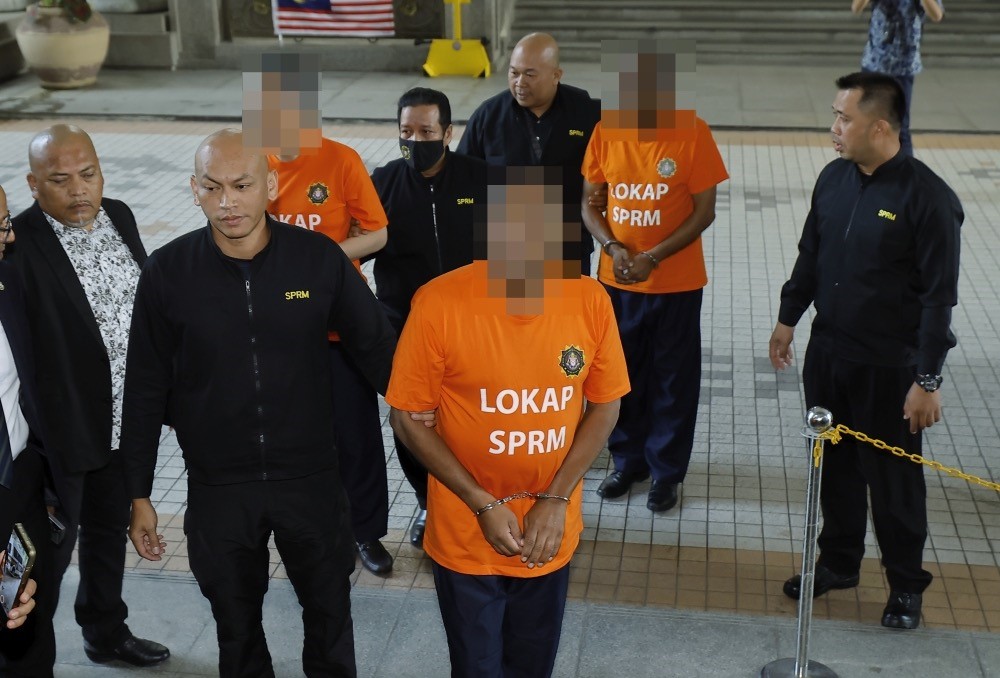
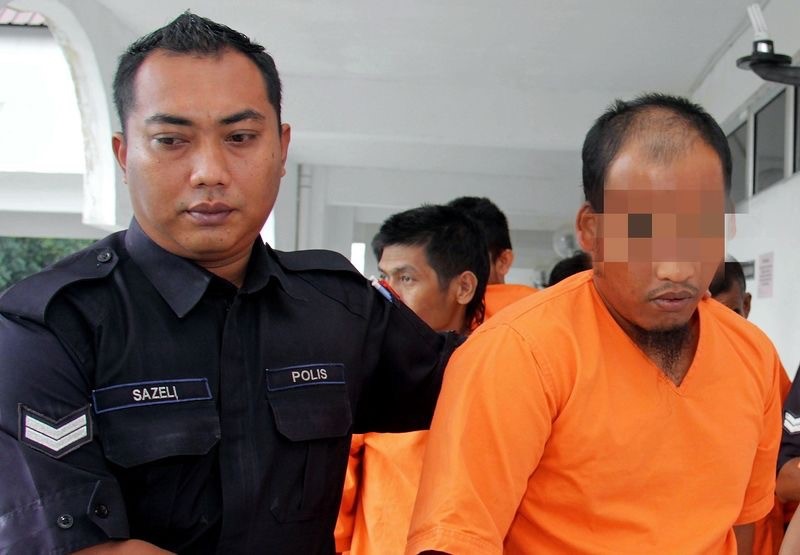
The orange shirt is issued by two authorities in the country, the MACC and the Royal Malaysia Police (PDRM), with the main difference being that the former sports the MACC initials on it.
The issuance of the orange uniform is authorised under the standing orders of both respective authorities: the Inspector-General’s Standing Orders (IGSO) under Section 97 of the Police Act 1967 for PDRM, and Section 12 of the MACC Chief Commissioner’s Standing Orders under the MACC Act 2009 for the MACC. Both documents are classified as internal guidelines and are not open to public access.
For the MACC, the attire is worn by individuals currently under investigation or those who have recently been apprehended by the agency and held within its lockup.
For PDRM, the orange uniform is designated for remand detainees, referred to as Orang Kena Tuduh (OKTs), who are accused of serious criminal offences, as confirmed by former Home Minister Datuk Seri Hamzah Zainuddin in 2022.
Purple
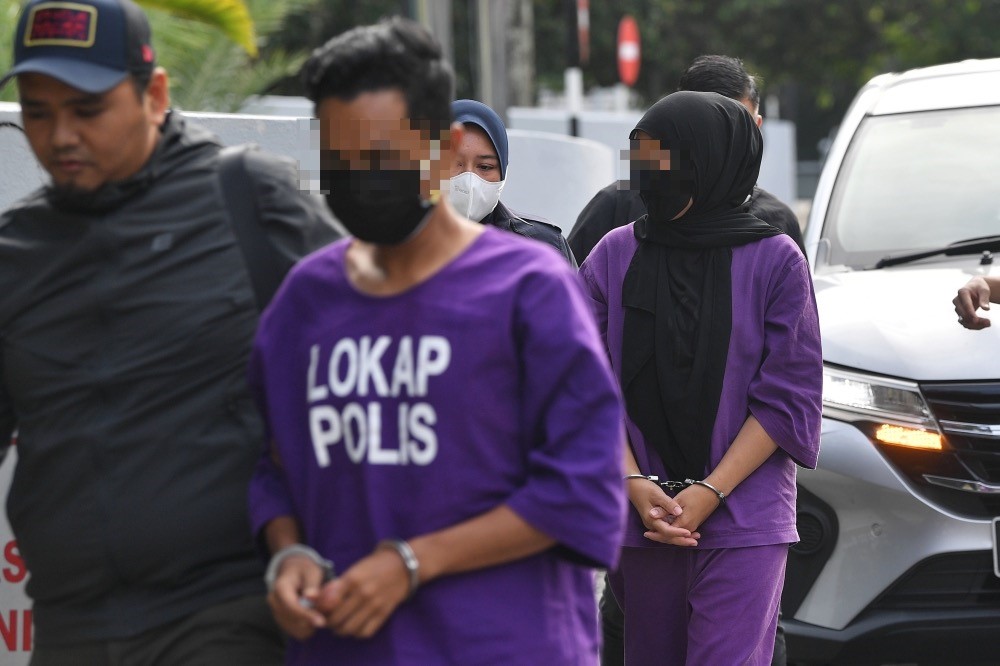
Meanwhile, the purple shirt is also used by PDRM for remand detainees, but is specifically reserved for those involved in other types of criminal offences. PDRM categorises these OKTs based on the severity of the crime committed to help officers better manage and control their movement.
Like the orange attire, the use of the purple uniform is regulated under the IGSO pursuant to Section 97 of the Police Act 1967.
The prison uniforms
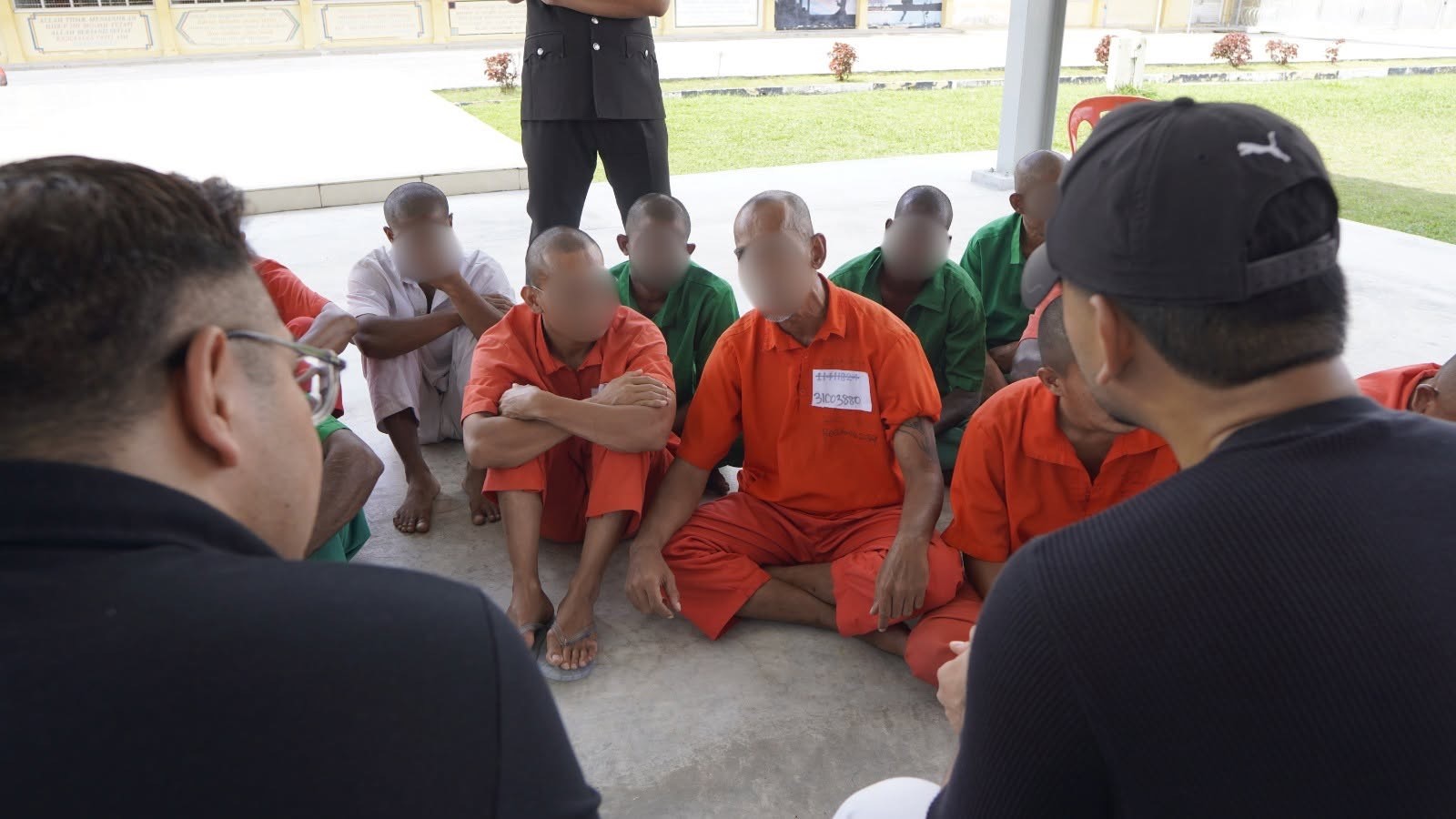
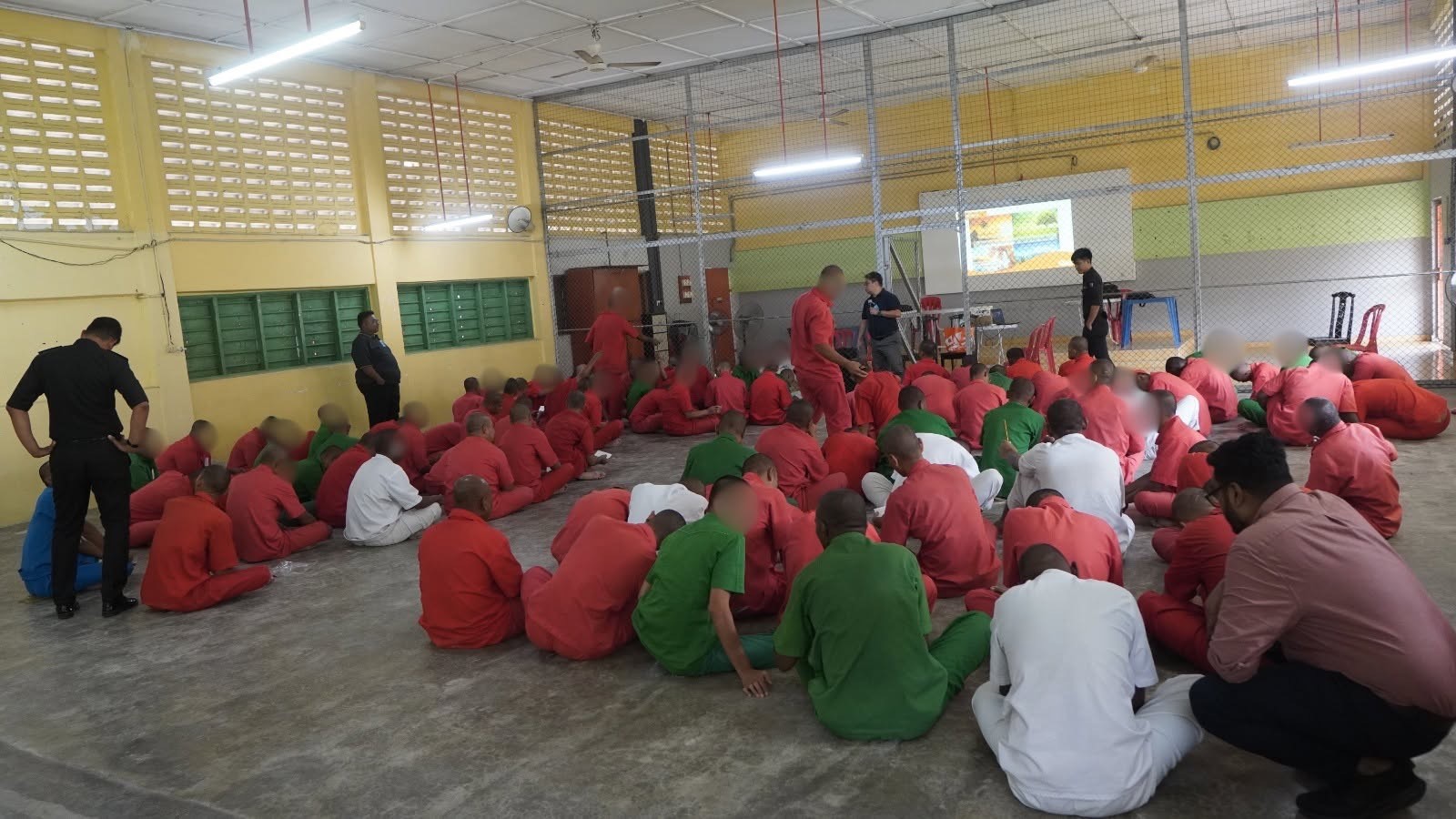
Beyond PDRM and MACC, the Malaysian prison system features its own distinct colour-coded hierarchy managed by the Prisons Department. Inmates are assigned specific uniform colours based on the length of their sentence and their progression through rehabilitation programmes.
Four uniform colours, white, red, green, and blue, are prescribed under Regulations 35 to 39 of the Prisons Regulations 2000. Meanwhile, two other colours, fluorescent green and the white-and-red uniform, are regulated under the Prisons Commissioner General’s Standing Orders (which are also not available to the public) pursuant to Section 12 of the Prison Act 1995.
Here is what each prison uniform colour represents:
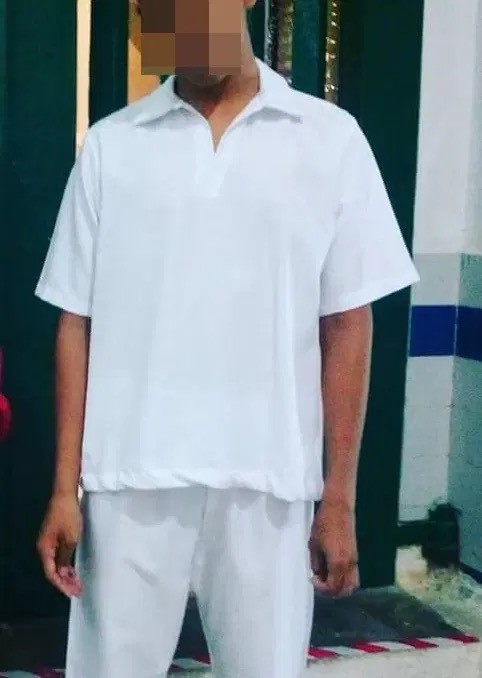
White
White shirts are allocated to banduan or inmates serving short sentences of under six months for various offences convicted by the courts. During their brief time, they are required to participate in awareness and rehabilitation programmes implemented by the Prisons Department before being released.
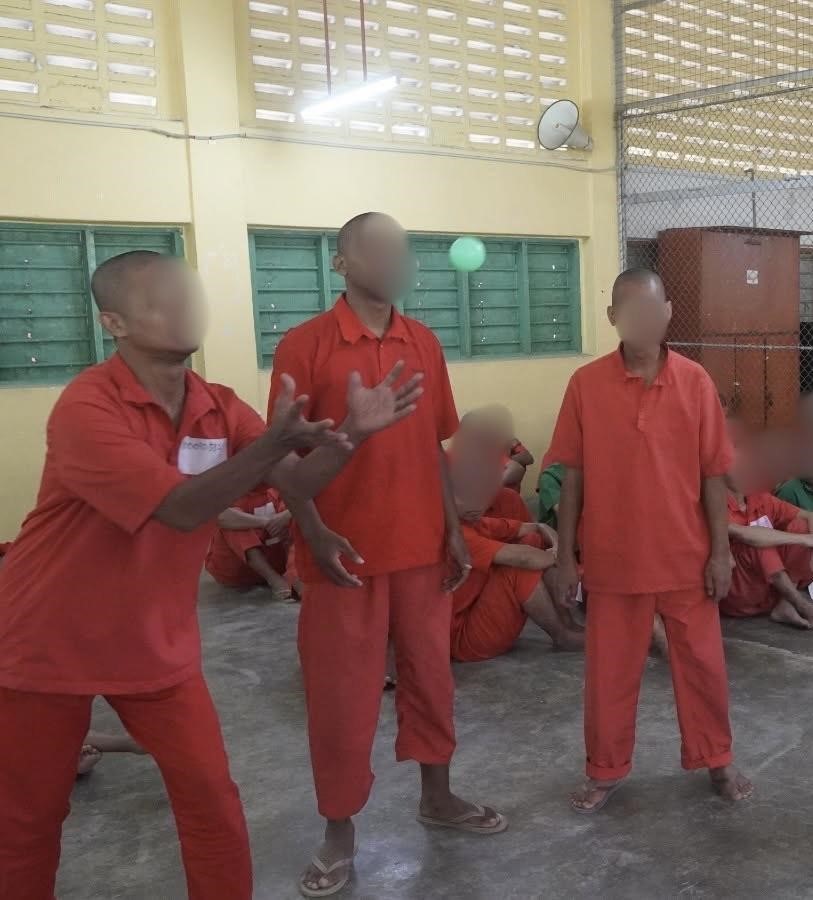
Red
For inmates serving long-term sentences (six months and above), red is the colour of the first-stage uniform, often referred to as the “red collar” stage. Inmates must wear this for a period of three months while undergoing the initial phase of the Human Capital Development Programme (Program Permodalan Insan or PPI). This begins with the Orientation Phase, and inmates must meet specific criteria before progressing to the next stage.
Green
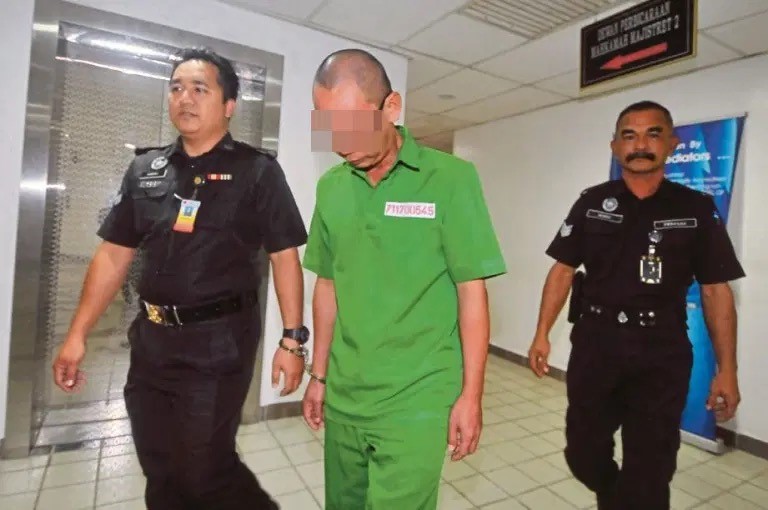
The “green collar” uniform represents the second stage, worn from the 3-month mark up to 18 months (1 year and 6 months) of imprisonment. Most inmates at this level undergo Phase 2 of the PPI, which focuses on character reinforcement. This phase is divided into two learning components: Halaqah for religious or spiritual development, and the Therapeutic Community approach for social and psychological therapy.
Blue
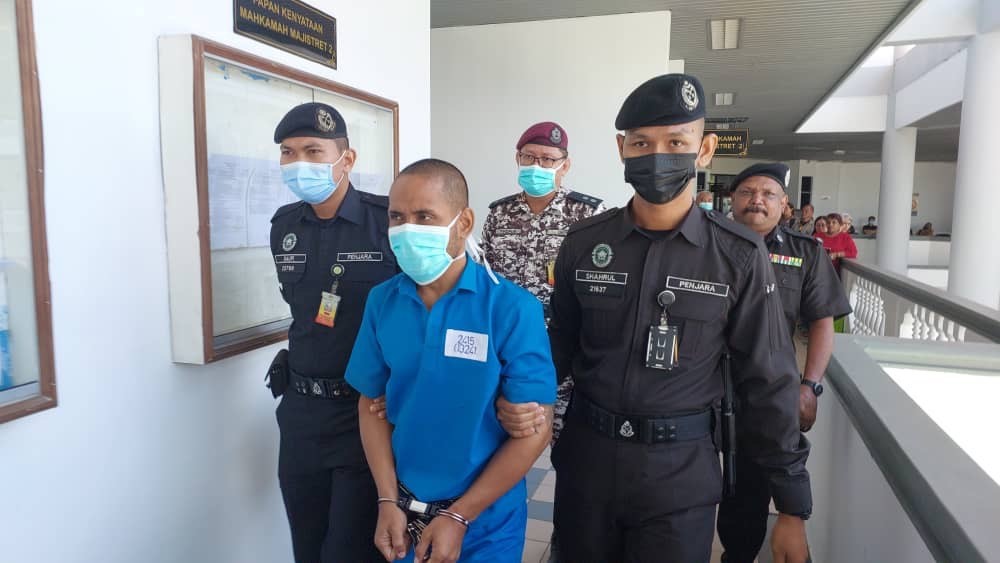
The “blue collar” stage is assigned to inmates who have served more than 18 months. This group includes those serving long-term sentences, such as life imprisonment (banduan seumur hidup) and natural life imprisonment (banduan hayat). Having completed the learning phases of the PPI, these inmates are eligible to work in the various vocational workshops provided within the prison facility.
Fluorescent green
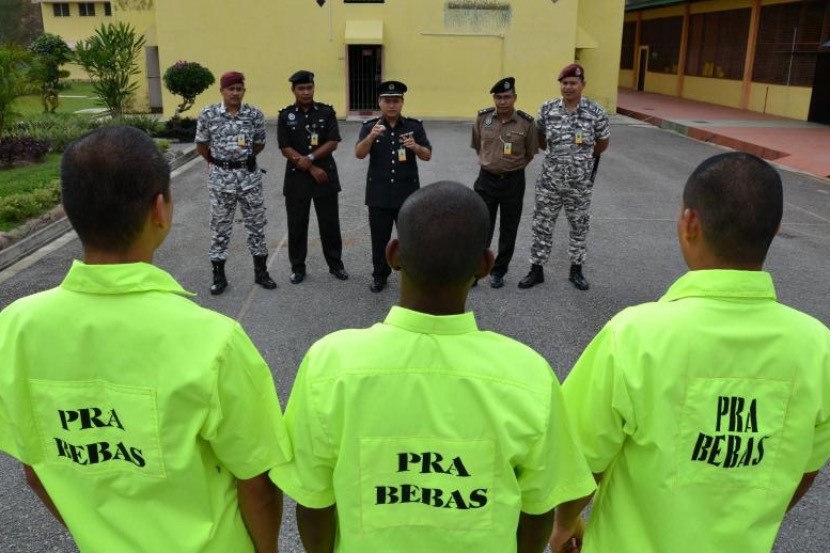
The bright or fluorescent green uniform designates pre-release inmates (Pra-Bebas). Originally transitioning from red, green, or blue uniforms, these individuals have less than three months remaining on their sentence before release. They are selected to work outside the prison perimeter under the close supervision of prison officers. Inmates participating in the Community Rehabilitation Programme (Program Pemulihan Pemasyarakatan) also wear this same bright green attire.
White-and-red
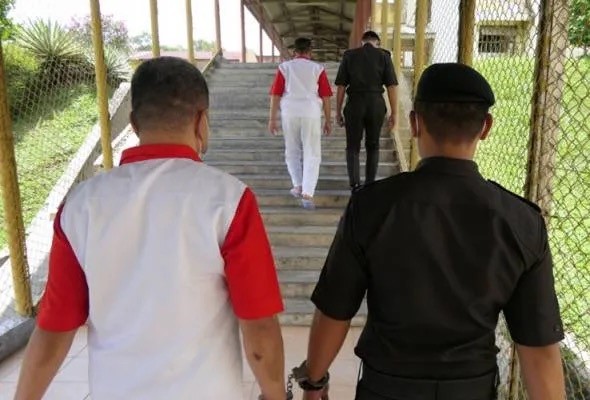
It is no exaggeration to say that this uniform is the most feared among inmates. Those who wear it are classified as death row prisoners (banduan akhir or BA). These individuals are either awaiting execution by hanging or waiting for the outcome of Federal Court appeals to commute their death sentences to life imprisonment.
For more insights into the Malaysian legal system such as this, do make sure to follow us on Facebook and Instagram or visit our official website. You can also read our articles on the popular Malaysian news aggregator app Newswav here.